For 10 Years with My Apple Watch: Three Common Blunders Even I Fell For
Whether you’ve got the best Apple Watch In the marketplace, a modest one Apple Watch SE 2 , or even an earlier version, watchOS offers numerous features hidden within the various sections of the settings menu that can significantly impact your experience with the Apple Watch.
There are some Preferences I consistently modify whenever I use my Apple Watch , whether it’s the notification tones, adjustments for raising to wake, and more. However, there are several features within the settings that many users frequently miss out on when they use their Apple Watch.
I've been utilizing the Apple Watch for a decade, having experience as both a tech writer and an Apple staff member, and here are some of the frequent errors folks often commit – including ones I personally have made numerous times.
1. Failing to adjust your fitness objectives
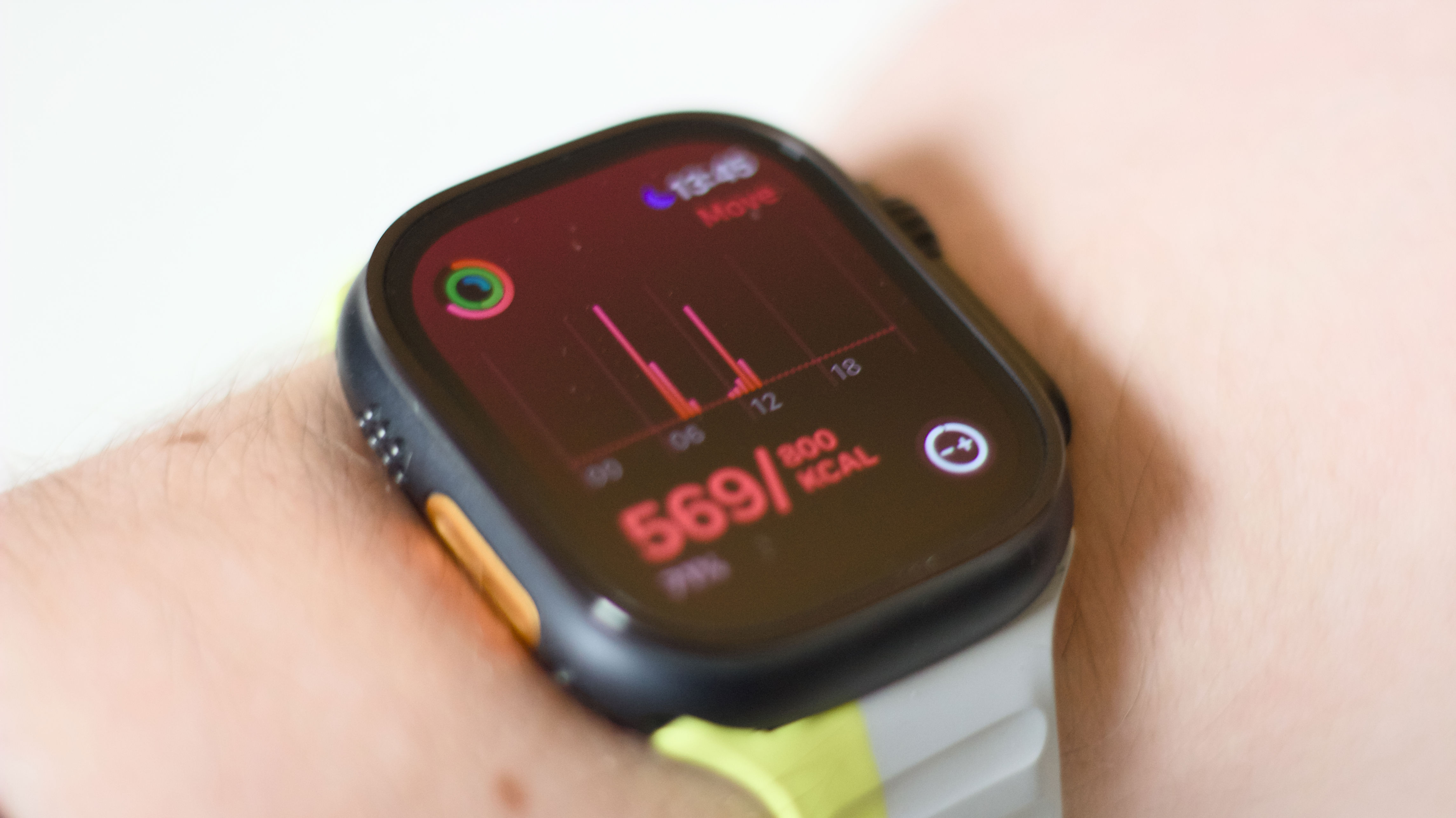
Even novice users of the Apple Watch will recognize Apple’s engaging Activity rings, which monitor your daily Move, Exercise, and Stand targets. Achieving these objectives can significantly contribute to maintaining an active lifestyle, as they come with enjoyable incentives and achievements designed to make self-care just a bit more manageable.
To put it differently, there’s an element you may have overlooked, which pertains to your fitness objectives. When configuring a fresh Apple Watch, selecting your fitness targets is part of the setup process.
If you do not purchase a new Apple Watch annually, or if you restore your new device using a backup, then there is a possibility that you have not reviewed your objectives recently. years , and therefore it may be appropriate to update them.
If you initially set fairly achievable objectives for your new Apple Watch and now find that you're easily surpassing these every day, maybe it's time to raise the stakes and challenge yourself further.
Imagine your fitness objective is an extremely minimal calorie count, or perhaps you've aimed for merely an hour of standing time due to wanting to quickly start utilizing your Apple Watch. Consider revisiting these objectives to provide some added encouragement. On the flip side, if hitting overly ambitious targets feels overwhelming, maybe adjust them to be less daunting so as to enhance your motivational drive.
To modify your fitness objectives, just go to the Activity App on your wrist, swipe downward, then tap the option. -+ Click on the icon located at the lower-right corner to modify your objectives. Keep in mind to implement the concept of progressively increasing difficulty. Should you be comfortably handling 10 minutes of workout, consider extending it to 15 or 20 minutes instead; however, avoid pushing too hard and aiming for more than 60 minutes—just adding an extra 5 minutes represents a significant 50% boost.
Not managing your notifications
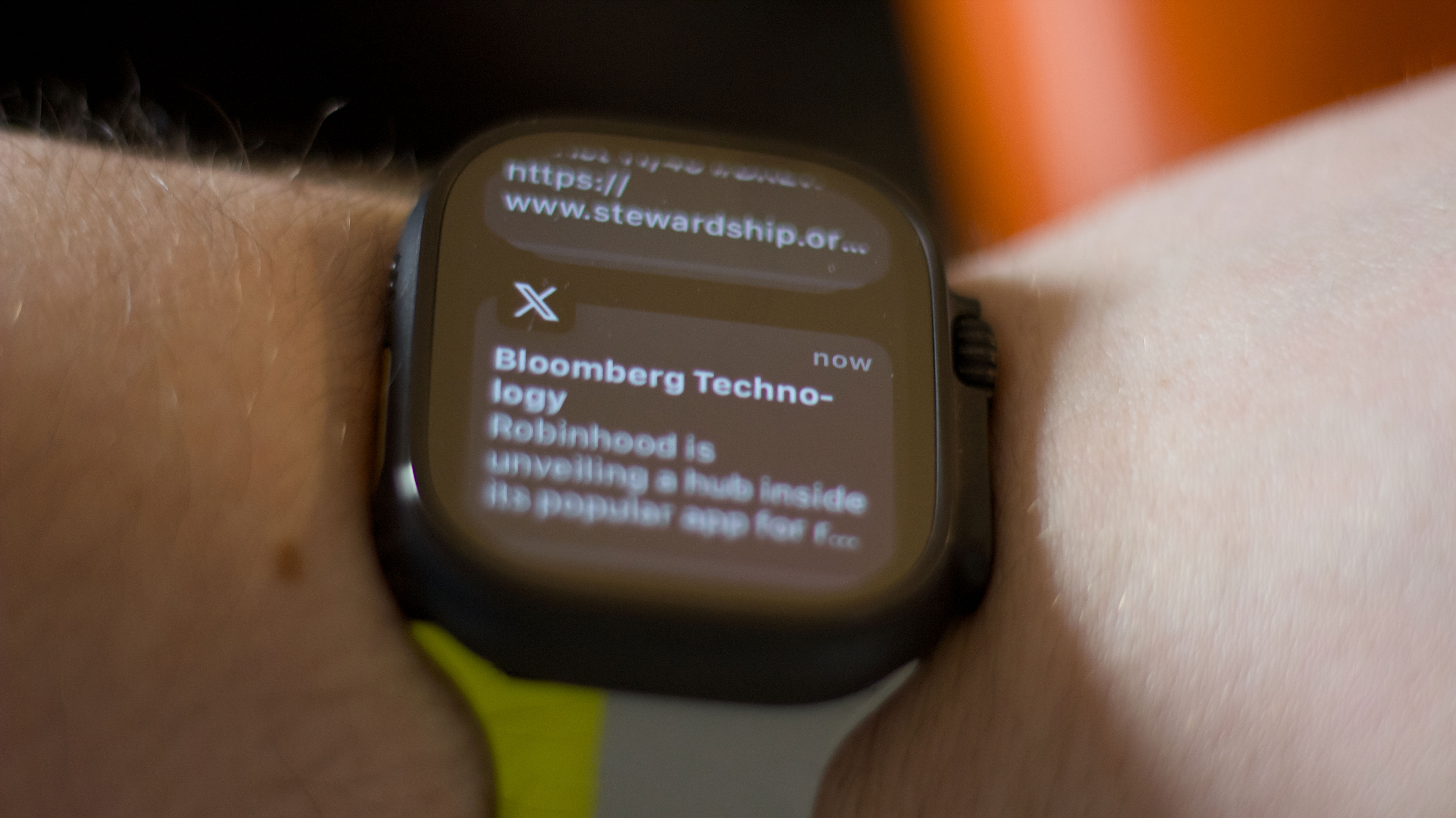
Managing even the simplest notifications on your Apple Watch can greatly reduce your irritation levels. While receiving alerts directly on your wrist might seem like a good idea initially, you'll likely find the constant dings and pings from the watch to be amusingly bothersome within just ten minutes.
Notifications from your Apple Watch, particularly those that are unnecessary, can be disruptive and cause your battery to deplete faster. To at least mitigate this issue, consider using the Apple Watch’s Do Not Disturb feature for relief—keep in mind though that this will silence your iPhone as well.
A better approach for handling notifications is to utilize the Focus Mode on your iPhone. This tool assists in filtering out notifications when you're working, exercising, or seeking some personal relaxation time.
Finally, head to the Notifications In the Apple Watch section of your iPhone settings, choose which apps' notifications from your iPhone should appear on your Apple Watch—trust me; after disabling half of them, both you and your wrist will be grateful.
Not utilizing your Emergency Contacts
When compiling this list, I ultimately chose "Emergency Contacts" as my concluding selection, finding it amusing. Quietly mocking to myself, I thought, “Doesn’t everyone have Emergency Contacts set up on their Apple Watch?”
It’s me. The one without Emergency Contacts configured on my Apple Watch.
I believed I had, yet I'm uncertain as to why. Perhaps I took it for granted as being automatic, or possibly I considered tackling it at some point but never followed through.
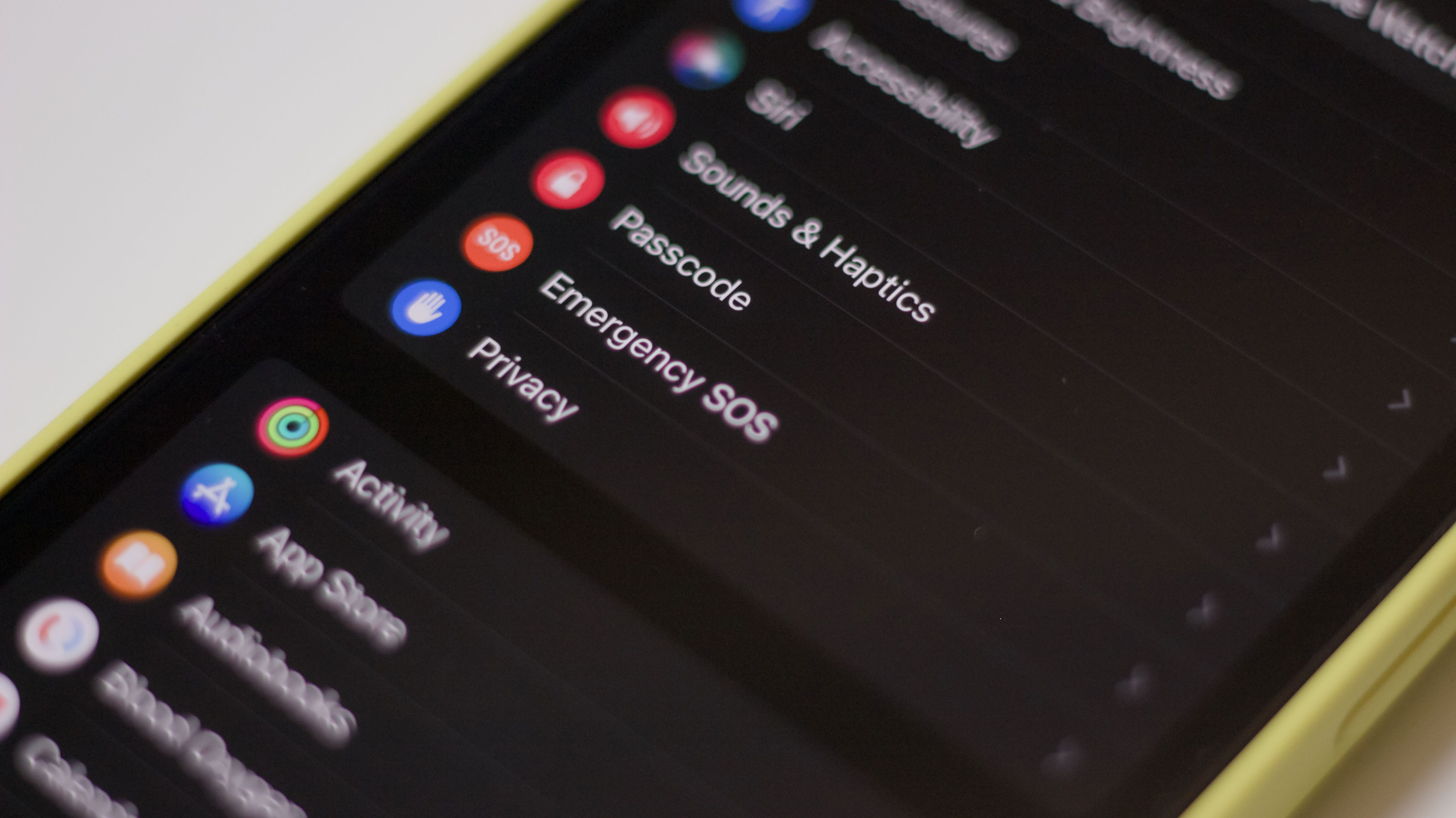
In the Apple Watch application, navigate to Emergency SOS Scroll down to Emergency Contacts to verify yours. Should your Apple Watch initiate an emergency call following a collision or stumble either autonomously or through pressing the Side Button, it will also inform your family members and close contacts about your situation, along with details regarding your whereabouts.
You must ensure that your contact list includes friends and loved ones. Additionally, verify that all the contacts you’ve added remain pertinent and that their phone numbers have not been altered. The Apple Watch’s Emergency SOS function is an essential safety mechanism, as even CEO Tim Cook has utilized it. So don’t be foolish like me.
You may also like
- What steps can we take to enhance the sustainability of wearables, and is achieving this feasible?
- I've had my Apple Watch for a decade – here are the 5 adjustments I make immediately after setting it up.
- New data indicates that the smartwatch market has reportedly contracted for the very first time, with the introduction of the Apple Watch Ultra 3 being cited as the cause.

Post a Comment for "For 10 Years with My Apple Watch: Three Common Blunders Even I Fell For"
Post a Comment