Top Sustainable Wood Fillers of 2025: Perfect for Furniture & Deck Repairs
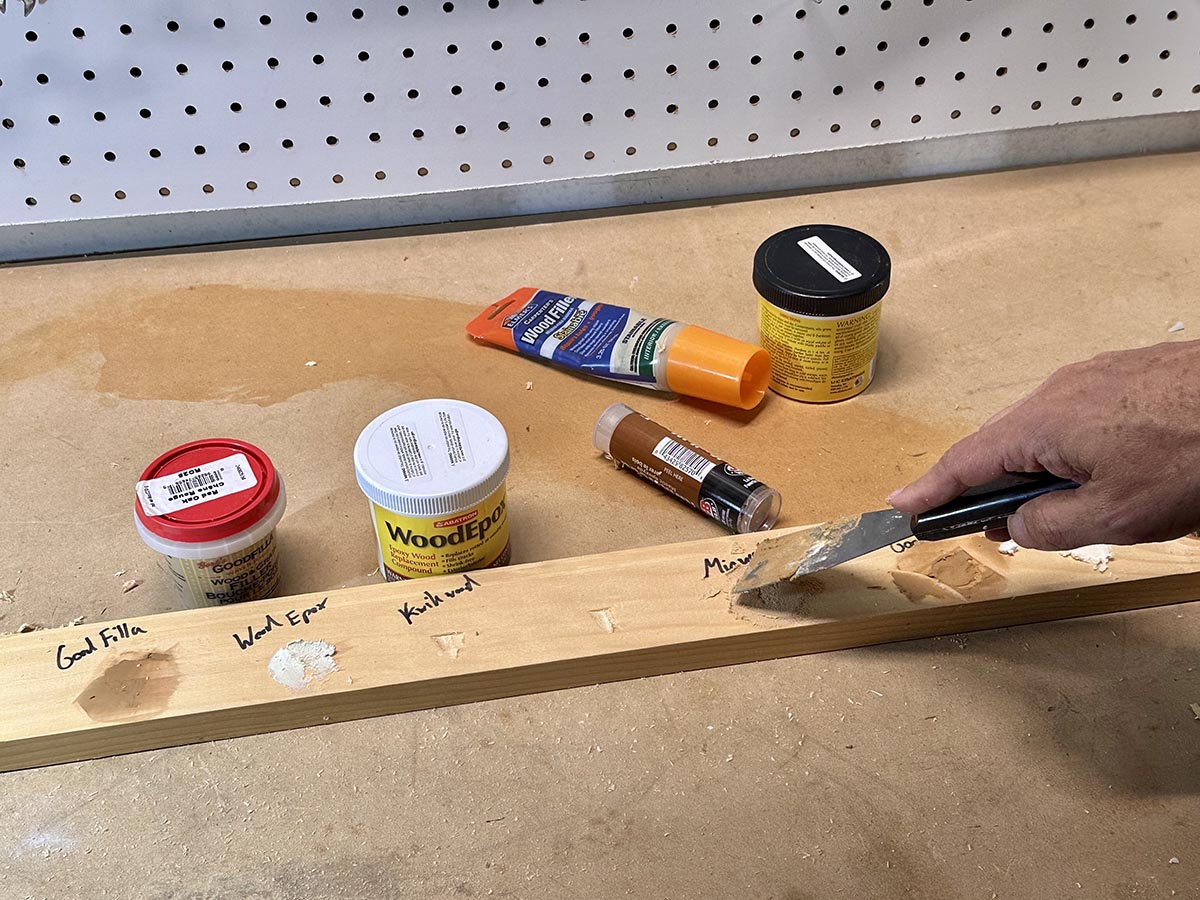
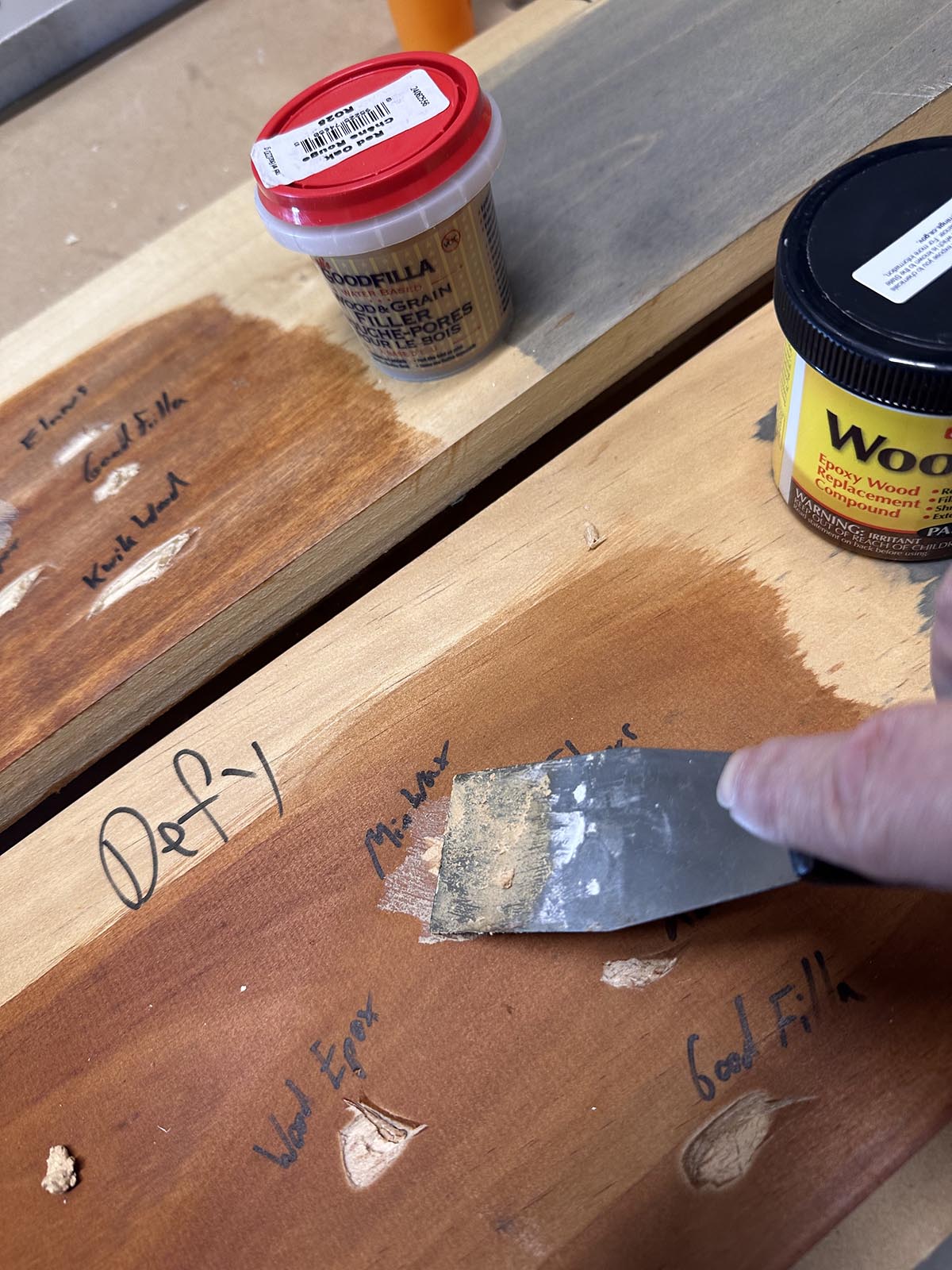
Wood fillers assist in concealing the look of cuts, cracks, and nail holes. painted or finished wood Trim work and furniture aside, these filler materials are often employed to cover spaces left over after installing drywall or fitting a new door frame. To guarantee your visitors won’t spot the repairs, choose a stainable option with a texture akin to surrounding wood. We tested five leading stainable wood fillers to identify which ones excel.
Finding a wood filler Finding a wood filler that complements the wood type, is user-friendly, and won't break the bank is essential for achieving excellent outcomes. Upon applying each wood filler across different wood surfaces, we discovered Minwax With its user-friendly design, top-notch quality, and budget-friendly price point, it stands out from the rest. Continue reading to explore the finest sustainable wood fillers available today and gain insights into our testing outcomes.
-
BEST OVERALL: Minwax 42853000 Stainable Wood Filler
↓ Jump to Review
-
BEST BUDGET: J-B Weld 8257 Kirkwood Wooden Area Repair Epoxy Putty Stick
↓ Jump to Review
-
BEST EPOXY: Abatron WoodEpox Epoxy Wood Filler
↓ Jump to Review
-
BEST FOR OAK: Goodfilla Water-Based Wood and Grain Filler
↓ Jump to Review
-
BEST CELLULOSE BASED: Elmer's E887Q Stainable Wood Filler, 3.25 Ounces
↓ Jump to Review
Our Top Picks
The items listed below represent our top choices among eco-friendly wood fillers, selected according to their quality, cost, and the purchasing factors discussed earlier. No matter the particular characteristics of your woodworking project, one of these stainable options should meet your needs perfectly.
Best Overall
Minwax 42853000 Stainable Wood Filler
What We Like
- Uniformity ensures ease of application.
- No shrinkage while drying
- Matches natural wood color
What We Don’t Like
- Not quite as robust as certain wood fillers.
Specs
- Type: Latex based
- Quantity: 16 ounces
- Indoor/Outdoor: Both
- Drying Time: 15 minutes
Our Ratings: Ease of Use 5/5 ; Appearance 4.5/5 ; Durability 4/5 ; Value 5/5
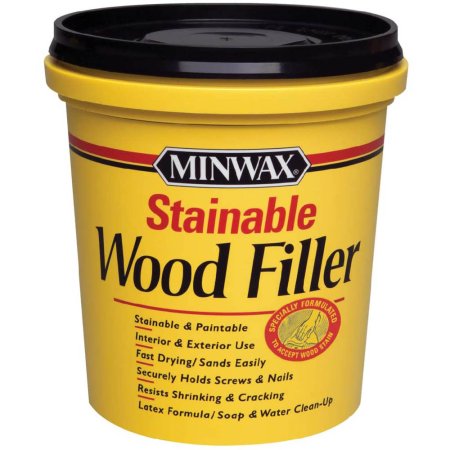
Minwax wood filler stands out for delivering great outcomes, user-friendliness, and affordability, making it our top pick among wood fillers. Its latex composition gives it a smooth, muddlike texture that simplifies application across both large and small voids and fissures without encountering any clumps. The product’s consistency allowed us to apply it effortlessly without needing to resort to using our fingers due to thickness issues. Filling a hole measuring ¾ inches wide and ¼ inch deep posed no challenge at all.
Whereas other wood fillers took hours to dry, Minwax is a fast-drying liquid wood filler, ready for sanding in smaller cracks in under an hour and for larger jobs in about four hours, speeding along the job so we could move onto the staining phase. It also doesn’t shrink as it dries, so there was no need to apply a second layer to fill in gaps. Once dry, the filler’s smooth consistency meant that it was easy to sand the surface down to a stainable finish. Though not quite as strong as some of the cellulose-based wood fillers we’ve tried, Minwax still held up well to bumps and knocks once dry and fully cured. Minwax also took the stain well, and its natural wood color was a close match to our pine board.
What our tester says: "Minwax offers the perfect viscosity for tackling small nail holes or substantial cracks. I found that I could perform more extensive repairs in one go, unlike what’s typical with many wood fillers." —Tony Carrick, Product Reviews Tester and Writer
Purchase the Minwax wood filler. Amazon or at Lowe’s .
Best Budget
J-B Weld 8257 KwikWood Wooden Repair Epoxy Stick
What We Like
- Simple-to-use roll design
- Simple to use for filling cracks and chips
- Creates a strong bond
What We Don’t Like
- Doesn't retain stains as effectively as some alternatives
- Lumpier consistency
Specs
- Type: Epoxy based
- Quantity: 1 ounce
- Indoor/Outdoor: Both
- Drying Time: 15 to 25 minutes
Our Ratings: Ease of Use 5/5 ; Appearance 4/5 ; Durability 4/5 ; Value 5/5
Scrapes, indentations, and blemishes often appear within household settings, typically these marks aren’t significant enough to require an entire container of wood filler. Nevertheless, when such minor flaws build up over time, addressing them becomes necessary. The J-B Weld epoxy-stainable wood filler offers a budget-friendly solution that’s easy to apply using only your hands.
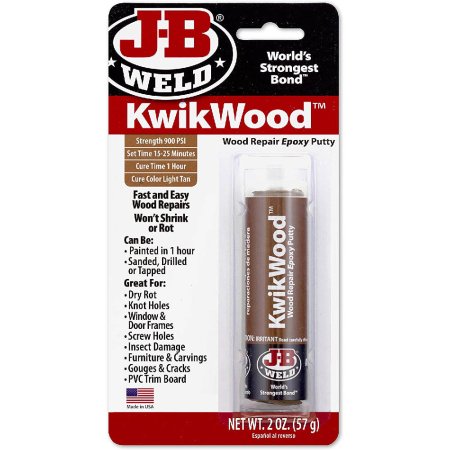
The 3.5-inch-long tube contains two distinct components of an epoxy mixture that must be mixed manually before application. For those who do not mind some mess, JB Weld proves quite user-friendly. It allowed us to measure out a specific quantity precisely, blend it thoroughly, and take advantage of its clay-like texture for seamless insertion into tiny fissures and openings using just our fingertips.
Kwikwood contains significantly bigger wood particles compared to other fillers. This contributed to a robust and durable repair but made achieving a perfectly smooth surface flush with the adjacent wood quite difficult. More effort went into sanding to ensure an even integration with the neighboring wooden area than what was required for several of the alternative wood fillers we evaluated.
True to its name, Kwikwood sets rapidly, curing within 20 minutes for minor fixes and around one hour for bigger patches measuring up to ¾ inches across and ¼ inch deep. Although this expedited drying time proved convenient, we discovered that Kwikwood did not absorb wood stains effectively. According to the directions, the recommended approach involves blending the stain directly with the filler prior to application. However, this method turned out to be untidy, as the colorant failed to blend uniformly throughout the filler material. As such, it works best for speedy touch-ups on areas meant to be painted rather than those intended to remain stained; thus, it’s less suitable for addressing small imperfections like scratches, fissures, or nail indentations on finished wooden items.
Acquire the J-B Weld wood filler. Amazon or at Lowe’s .
Best Epoxy
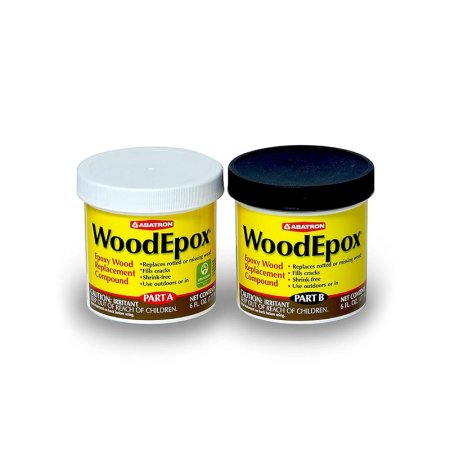
Abatron WoodEpox Epoxy Wood Filler Compound
What We Like
- Withstands decay, mold, and moisture
- Once mixed, consistency ensures it can be easily applied.
- Sand effortlessly to achieve a smooth, uniform surface.
What We Don’t Like
- Need to blend it beforehand.
- Isn't consistent with the natural wood color
Specs
- Type: Epoxy based
- Quantity: 12 ounces
- Indoor/Outdoor: Both
- Drying Time: 1 to 3 hours
Our Ratings: Ease of Use 4.3/5 ; Appearance 4/5 ; Durability 5/5 ; Value 4/5
Although many wood fillers claim suitability for both indoors and outdoors, they fall short when compared to Abatron WoodEpox’s epoxy-based formulation. Designed explicitly to combat mold, mildew, rot, and moisture, this durable option outperforms others once the stainable and paintable wood filler dries. It forms an indelible bond with surrounding wood without shrinking due to changes in weather. Its resilience against natural elements makes the waterproof, eco-friendly wood filler ideal for restoring decks, outdoor wooden furnishings, and various exterior timber projects.
WoodEpox is available in two individual containers that should be combined in equal amounts to create 12 ounces of filler. Splitting the components evenly and blending them in another container made the application slightly more intricate compared to typical wood fillers. Like many other epoxy-based wood fillers, we discovered that the optimal method for combining the dual-component mixture was through manual kneading using your hands. After thorough mixing, the resulting paste-like texture enabled us to insert WoodEpox into fissures and depressions quite smoothly.
The WoodEpox took approximately an hour to dry in our smaller repair area and just a few more hours for the bigger dent. Given its smooth texture, it sanded fairly easily. Although it stains nicely, it ends up with a paler appearance compared to natural wood tones, which restricts how we can utilize it. painted surfaces and darker opaque stains.
Obtain the Abatron wood filler at Amazon or Walmart .
Best for Furniture
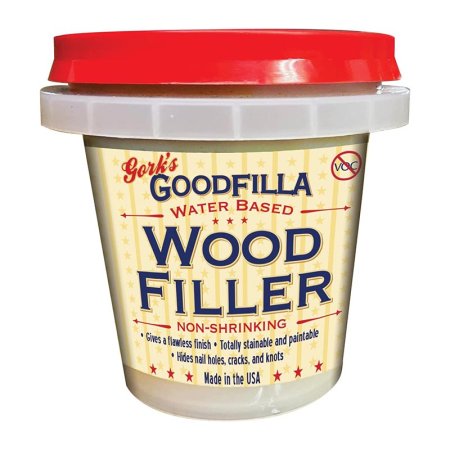
Goodfilla Water-Based Wood and Graining Filler
What We Like
- The effortless handling is due to its silky smooth texture.
- Matches wood color well
- Smooths down to a fine finish
What We Don’t Like
- Too expensive for fixing nail holes.
Specs
- Type: Cellulose based
- Quantity: 8 ounces
- Indoor/Outdoor: Both
- Drying Time: 15 minutes
Our Ratings: Ease of Use 4.7/5 ; Appearance 5/5 ; Durability 5/5 ; Value 4.5/5
Thanks to its excellent color matching capabilities and consistent texture, Goodfilla is highly preferred for repairing wooden furnishings. This cellulosic, stainable wood filler provides a finish similar to the pattern and hue of natural red oak. Should the starting color not align perfectly with your current floors or furniture, you can blend the filler with various stains, toners, pigments, or dyes to get the ideal tint.
Goodfilla definitely lives up to the saying "you get what you pay for." Among all the wood fillers we evaluated, this one stood out as both the most expensive yet delivering superior performance. The texture is remarkably smooth and creamy, making it effortless to apply even over sizable gaps ranging from tiny nail holes to deeper depressions measuring ¾ inches. One standout feature is how swiftly it sets; additionally, it sands easily without shrinking, eliminating the necessity for multiple coats across our sample boards. Once dried, it forms an incredibly sturdy surface that resisted chipping and denting during testing. Moreover, Goodfilla excelled at blending seamlessly with adjacent wooden surfaces and proved particularly adept at absorbing stains compared to many others in its category.
Although Goodfella’s premium pricing might not justify using it for simple tasks like filling nail holes in baseboards, it is well worth the investment when addressing more significant issues such as chips and cracks in wooden furnishings and other finished woodworking projects.
What our tester says: "I really enjoy how simple this item is to use. It applies effortlessly, effectively fills even big gaps, and can be sanded down to create a uniform surface that blends with unpainted wood perfectly." — Tony Carrick, Product Review Specialist and Author
Obtain the Goodfilla grain filler. Amazon and Walmart .
Best Cellulose Based
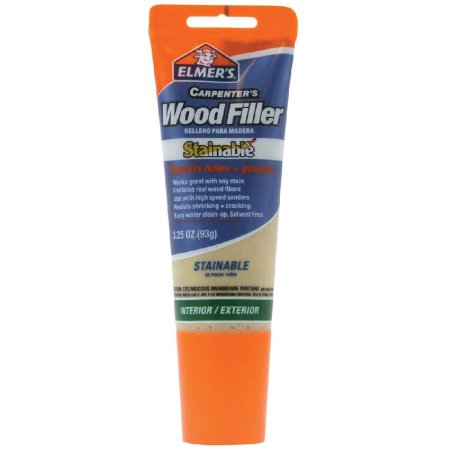
Elmer's E887Q Stainable Wood Filler, 3.25 Ounces
What We Like
- Simple to utilize for minor fixes
- Matches wood color well
- Sands easily
What We Don’t Like
- It's difficult to extract a large amount of product from the bottle.
Specs
- Type: Cellulose based
- Quantity: 3.25 ounces
- Indoor/Outdoor: Both
- Drying Time: Up to 24 hours
Our Ratings: Ease of Use 4/5 ; Appearance 5/5 ; Durability 4/5 ; Value 4/5
Cellulose-based, dyeable wood fillers such as those offered by Elmer’s incorporate fibers that mimic the texture and look of genuine wood. Packaged in a convenient squeeze bottle, Elmer’s product aims to provide a simple and budget-friendly solution for minor fixes, covering issues like fissures, dents, and screw holes.
Elmer's was the sole wood filler we tried that came in a squeezable bottle, and our opinions varied regarding it. Its tiny nozzle combined with the viscous nature typical for cellulose-based fillers made dispensing difficult. We discovered that gently kneading the bottle before taking off the lid and making a wider hole at the tip improved the ease of getting the filler out. Although we managed to get sufficient product out for minor fixes, this isn’t a filler meant for bigger jobs like filling a 3/4-inch wide dent.
As mentioned earlier, the practical squeeze bottle format turned this product into an efficient choice for addressing nail holes and minor dents. It allowed us to easily dispense some of the filler directly onto the area needing repair and then smooth off any extra using a putty knife. Additionally, Elmer’s compound set rapidly to a sturdy texture which sanded down fairly effortlessly. After drying, it blended seamlessly with the original wood hue and took stains and paints quite effectively.
Purchase the Elmer's sustainable wood filler instead. Amazon .
Skip to Our Featured Recommendations
The Methodology Behind Our Testing of Top Stainable Wood Fillers
Following an extensive investigation of premium sustainable wood fillers designed for fixing furniture, flooring, and various applications, we found that the superior choices hinge on factors like their kind, volume availability, curing duration, adaptability across different materials, as well as additional distinctive attributes offered by certain manufacturers. Considering these criteria, we selected five high-quality stainable wood fillers and subjected them to testing.
We performed three trials for each type of filler, applying them to fix small nail holes, minor cracks, and a substantial ¾-inch wide dent. Our assessment covered multiple criteria: ease of application, drying duration, sanded smoothness, alignment with natural wood aesthetics, receptiveness to staining, and ultimately, cost-effectiveness to gauge their total worth as stainable wood fillers.
Factors to Think About When Selecting an Eco-Friendly Wooden Filler
Before selecting a sustainable wood filler renew the look of old furniture Or when attaching baseboards, take into account crucial elements such as curing duration and the amount of filler needed. After gaining a clearer understanding of what you require, you will be capable of identifying the ideal stainable wood filler for your task.
Kinds of Stainable Wooden Filler Options
There are four primary categories of sustainable wood fillers distinguished by their formulations: those based on gypsum, epoxy, vinyl, and cellulose.
Gypsum-based
Stainable wood fillers made from gypsum are generally used for indoor repairs To cover spaces in baseboards and drywall, this kind of filler material consists of gypsum powder which needs to be combined with water to form a paste-like substance. After drying, the filler loses its flexibility; instead, it becomes as firm as hardwood or sometimes even as hard as stone.
Wood fillers made from gypsum are the least expensive option available. However, since these fillers can be damaged when wet—even once they have set—they should not be utilized in areas prone to dampness or moisture exposure.
Epoxy-based
Epoxy wood fillers stand out for their toughness and resilience, though they necessitate considerable prep work prior to application. To ensure proper viscosity and adherence, you must blend the two components as directed by the manufacturer. After mixing the epoxy, it can then be spread onto the damaged section.
Perfect for external applications, epoxy-based wood fillers can adapt to varying temperatures by expanding and contracting. Due to their inherent waterproof properties, these fillers are ideally suited to protect walls or foundations from wind and moisture infiltration.
Latex-based
Stainable wood fillers based on latex are frequently employed for external areas since they necessitate minimal preliminary prep compared to epoxies. These fillers cure rapidly once applied and typically become water-resistant within one hour. Additionally, latex-based fillers are user-friendly, making them ideal for addressing cavities, mending dents, and restoring sections of decayed wood. restoring outdoor furniture .
Once latex-based fillers have completely dried, they become as firm as hardwood. This rigidity enables you to apply sandpaper to the filler for a seamless surface. Additionally, you can insert nails or secure screws into the latex-filled area without compromising the integrity of the repair, enhancing its resilience.
Cellulose-based
Another recognized type of sustainable wood filler falls under the category of cellulose-based fillers; however, this classification isn’t commonly highlighted on their labels. Rather, the packaging for these products usually specifies that they include actual wood fibers. When compared to latex-based fillers and epoxy options, cellulose-based fillers tend to be more budget-friendly. Given their solubility in water, cellulose fillers allow you to blend them with stains easily, resulting in an enriched color prior to use.
Certain cellulose-based fillers are suitable for outdoor applications, whereas some are designed exclusively for interior use. Make certain to check the manufacturer’s instructions to confirm the appropriate usage and location for the filler.
Project
The kind of project you're undertaking will dictate which sustainable wood filler is most appropriate for your requirements. Considerations such as the prep time needed, how much filler you'll require, and limitations related to drying time—such as an approaching rainfall—should all play a role in selecting the right product.
- Indoor projects can vary from closing a space between baseboards to refinishing a section of high-quality wooden furniture or repairing hardwood floors Although any appropriate wood filler will suffice for interior projects such as these, epoxy-based options should generally be considered only as a final choice due to their extended preparation and drying times compared to alternative types of fillers.
- Outdoor projects Those needing a sustainable exterior wood filler could include repairing scratches on a fence , fixing fissures in a deck, refurbishing and staining outdoor furniture , and sealing up holes in a home’s exterior wall to protect from the elements. The best choice for projects like these is an epoxy-based stainable wood filler. For smaller repairs, it’s fine to use a latex-based outdoor wood filler or even a cellulose-based filler that is rated for exterior use.
Versatility
Many wood fillers come in petite jars, each designed for specific types of minor repairs. Should you find yourself undertaking numerous renovations and requiring substantial amounts of stainable wood filler for an extensive project list, it would be wise to opt for a large volume wood filler product that offers versatility across various tasks.
Before buying a significant amount of stainable wood filler, ensure it can be used indoors as well as outdoors. Additionally, assess how moldable the filler remains until it sets—since you're considering a bulk purchase, get a smaller container first to see how manageable it is to apply. Look at the application guidelines provided by the maker and observe the final texture once the filler has dried completely. For example, using an epoxy-based stainable wood filler would be ideal for repairing holes in external walls due to its superior adaptability to varying temperatures.
Quantity
The amount of wood filler needed depends on the size of your project. Fortunately, wood filler producers offer their goods in different sizes, ranging from tiny amounts to large buckets, ensuring you don’t end up purchasing more than necessary for minor repairs like a few scratches.
For small fixes, sustainable wood fillers resembling crayons can be used; just glide the filler across slight fissures to cover them. Wood fillers packaged at weights ranging from 8 to 16 ounces suit medium-sized tasks such as filling seams post-baseboard replacement. Fillers exceeding these quantities work well for extensive jobs including remodeling whole rooms or restoring aged decks and fences.
Drying Time
Make certain to keep track of the estimated drying time for the stainable wood filler so you can accurately gauge how much time you have left to finish your repairs and even out the surface prior to the filler setting. Certain formulations set rapidly, making them ideal for exterior use since it’s crucial that the filler becomes firm before coming into contact with moisture like rain or snow.
If you're repairing a substantial area with sustainable wood filler, opt for one that has a longer drying period. This gives ample opportunity to complete your repairs and mold the filler as needed. Keep in mind that different products have varying drying times, so consult the manufacturer’s instructions for specific guidance.
FAQs
If you're still unsure about choosing the appropriate sustainable wood filler for your project, consider reviewing the responses to these common queries.
Applying wood filler can be done most easily using a putty knife. Start by firmly pushing the filler into the damaged section at the top, gradually working it down for repairs, and add extra filler if needed. Once you've filled the crack, dent, or scrape but before the filler sets, utilize the putty knife to eliminate any surplus material until it aligns perfectly with the surrounding surface.
Certain wood fillers such as those based on epoxy or powders require blending prior to application. For preparing the stainable wood filler, adhere closely to the guidelines supplied by the product’s maker. Typically this process entails combining two components of an epoxy mixture or incorporating water into a powdered filler.
After sanding your wood Next, prepare the restored section; then use a tiny brush to apply the stain right onto the filler. Alternatively, you can dye the whole wooden part along with the filler to achieve a consistent appearance.
Should you worry about how the stain might appear over the dried filler, try applying them together on an unused wooden piece initially. Once the filler on this sample wood has cured completely, apply the stain to see what effect it will produce prior to proceeding with your main project. staining your furniture , flooring, or any other type of wooden surface.
The main The distinction between wood putty and wood filler. Is it true that putty usually stays quite flexible? This flexibility enables it to contract and stretch with temperature changes. As a result, wood putty works well for closing up sizable openings in walls. In contrast, wood filler sets to a texture akin to wood since it includes sawdust and wood fibers. Primarily composed of plastics, wood putty can also come mixed with certain plastic-based wood fillers.
The ideal material for filling substantial voids in wood varies based on the width of the gap. If the opening is up to ¾-inch wide, then furniture or wood flooring fillers will suffice. However, when dealing with bigger cavities, combining a wooden dowel or sawdust with wood filler would be necessary for an effective fix.
You can usually use wood filler for repairs up to ⅜ inch thick. If it’s any thicker, the fix becomes less durable over time.
Wood fillers become sufficiently rigid for drilling or screwing. However, if these actions are planned, we recommend opting for an epoxy wood filler as it sets harder compared to other varieties of wood fillers.
The drying time for wood filler depends on the scale of the repair. Typically, smaller fixes like plugging nail holes will set within about half an hour. However, bigger jobs such as mending sizable cracks may require anywhere from 4 to 6 hours to fully dry and could need up to one whole day to completely harden.
Meet the Tester
Tony Carrick is an independent author with expertise in areas like home renovation, garden layout, tech trends, residential safety measures, and interior decorating. He has contributed pieces to various platforms including Popular Mechanics, Futurism, SFGate, Pro Tools Review, among others. For every item he evaluates—be it electric tools, home surveillance setups, or outdoor cooking appliances—he aims to provide insights that assist consumers in deciding if the products align with their requirements and justify their cost.
Additional research was contributed by Timothy Dale.

Post a Comment for "Top Sustainable Wood Fillers of 2025: Perfect for Furniture & Deck Repairs"
Post a Comment