Top 10 Shark Myths You Need to Stop Believing Now
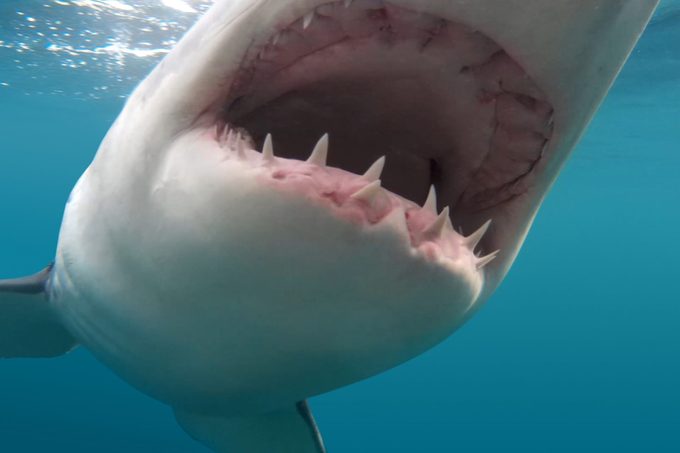
Sharks are cold-blooded killers
"[A common belief many people hold is that] sharks are intent on targeting humans and will 'assault' us as soon as our little finger touches the water," explains shark scientist Blake Chapman, PhD, who authored Shark Attacks: Legends, Misconceptions, and Our Fears ". However, each year, millions of individuals swim near sharks and many remain completely unaware of their presence. Only an extremely small number of people experience adverse interactions with sharks." Indeed, these 22 creatures pose significantly lesser risks than commonly perceived. more dangerous to humans than sharks .
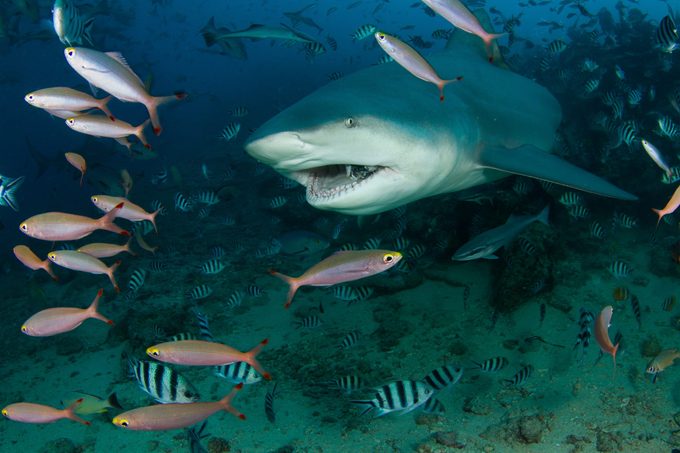
They acquire a preference for consuming human meat.
Experts concur that many unprovoked shark bites often appear to be investigative in nature—essentially, "What's this here? Could it be food?" These incidents typically involve large, assertive sharks known for preying on seals and other sea mammals, such as great white sharks, bull sharks, and tiger sharks. one most prone to biting people According to the National Geographic Society, as highlighted by the National Ocean Service, sharks have been evolving for hundreds of millions of years, long before humans came into existence; hence, we are not originally found in their typical food sources . The majority of sharks primarily feed on smaller marine life such as fish and squid. To provide further assurance, consider these additional points: comforting—and fascinating—facts about sharks .
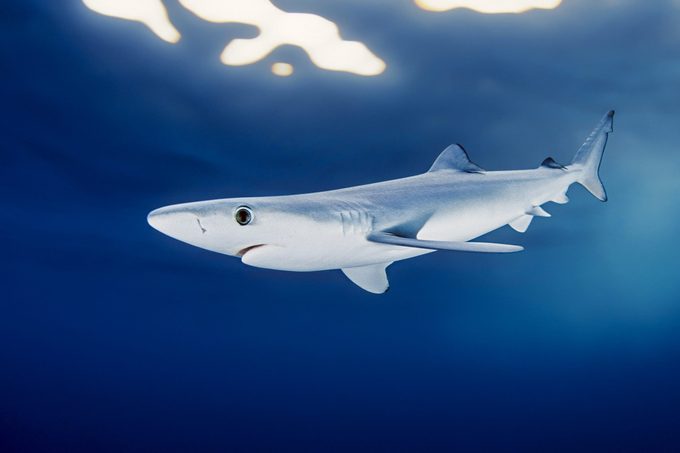
Female sharks require males to reproduce.
Some female sharks possess the power of parthenogenesis —The capability to fertilize their own eggs and produce offspring without a male shark. This phenomenon is typically observed in plants and insects such as wasps, ants, and bees.
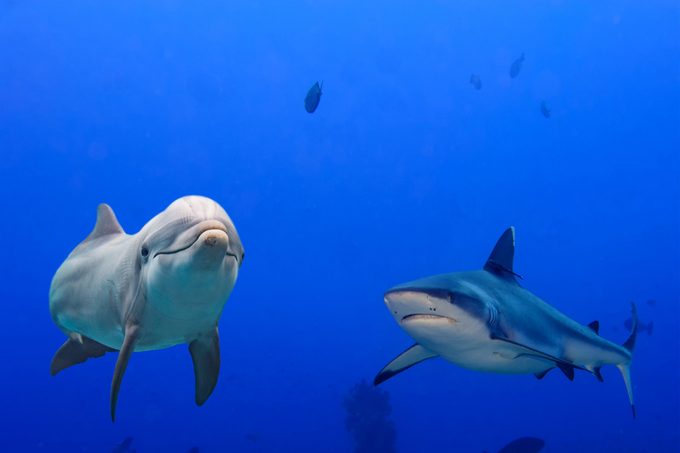
Dolphins terrify sharks.
You might have come across the idea that spotting dolphins in the water indicates it’s "safe" to swim since sharks supposedly stay away. However, this notion about sharks and dolphins isn't accurate. regularly sail through the same areas Due to their shared diet, which includes schooling fish, squid, and crustaceans, as reported by the Sarasota Dolphin Research Program, both creatures often compete for food sources. Additionally, they can be predators of one another; dolphins prey upon smaller shark species, whereas larger sharks have been observed attacking dolphins.
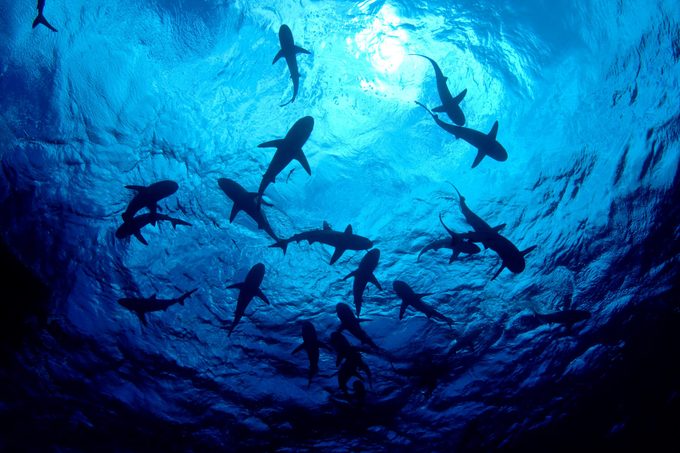
Every shark species is identical.
Sharks often receive negative attention, yet they come in more than 500 distinct varieties—every one uniquely different," explains Dr. Chapman. "These creatures are real champs when it comes to survival and evolution. Each shark type has been finely tuned for specific environments, dietary requirements, hunting methods, mating strategies, and evading threats. Consequently, there isn’t just one typical 'shark.' Rather, we have over 500 extraordinary beings worthy of understanding.
Although many shark species develop considerable size and possess sizable teeth, the biggest ones—including whale sharks and basking sharks which often reach lengths of 40 feet—are gentle and pose no threat to people. Additionally, numerous small shark varieties also exist; the dwarf lantern shark is minuscule enough to rest in the palm of your hand, whereas coral catsharks seldom exceed two feet in length, rendering them particularly favored choices for private fish tanks. Nonetheless, some do present danger. One kind of shark you'll find never see in an aquarium.
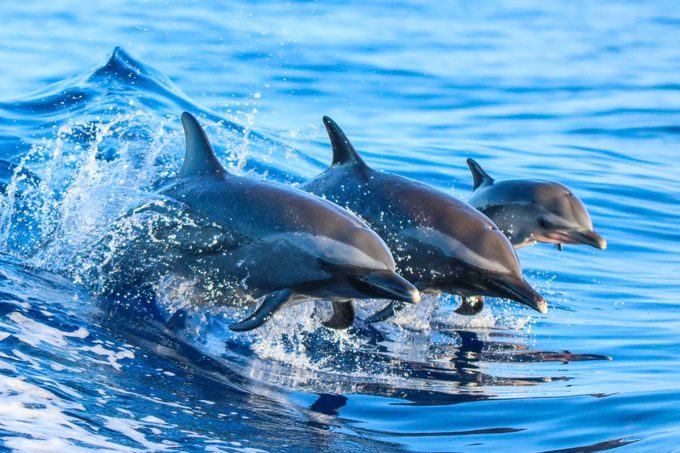
Sharks have no predators
As mentioned earlier, dolphins occasionally consume small sharks. Moreover, orcas—which are the largest species within the dolphin family—also do this. assault and prey upon great whites According to the Sarasota Dolphin Research Program, but the most significant danger for sharks comes from humans. Studies indicate that humans slaughter approximately 100 million each year Unfortunately, declining shark numbers might adversely impact the ocean ecosystem—as crucial top marine predators, sharks play an indispensable role in our seas.
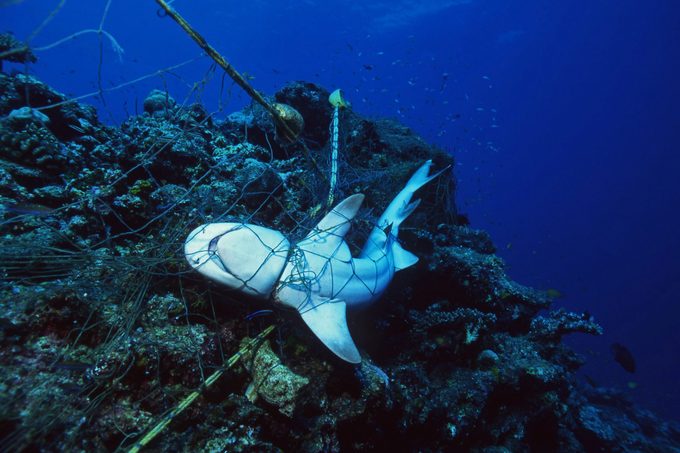
Shark nets effectively safeguard bathers.
Australia ranks second globally for unprovoked shark bites, following the United States, as per research conducted by Dr. Chapman along with her co-author Daryl McPhee, Ph.D., who is an environmental science associate professor at Bond University. The majority of these incidents occur near the coastline of New South Wales, states the ISAF. To safeguard swimmers and surfers, the Australian government is taking measures. has conducted tests of shark nets in the region For numerous years, people have aimed to capture aggressive shark species like great whites and bull sharks, which are most prone to human interactions. However, during this time, many other creatures, including several endangered ones, ended up ensnared in these traps. During a particular five-month span, among the total of 145 animals captured, Only two were targeted as shark targets. As reported in the media, the majority of creatures ensnared in these nets do not survive.
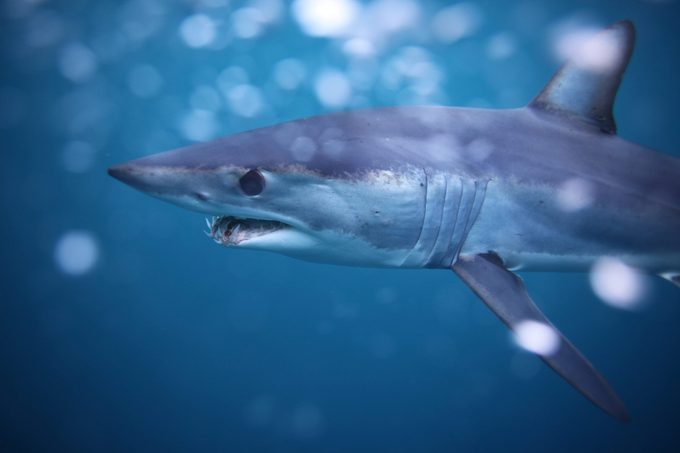
If sharks cease swimming, they will perish.
Sharks possess multiple gill slits on either side of their necks—while swimming, water enters through their mouths and passes over their gills, with the gills extracting oxygen from the water. Great whites, makos, and whale sharks rely solely on this method for respiration. They must continually swim to obtain oxygen. According to the Smithsonian Institution, some species do this. However, numerous others can draw water into their mouths and move it across their gills independently while remaining still; these include nurse sharks, angel sharks, and the peculiarly named tasseled wobbegongs.
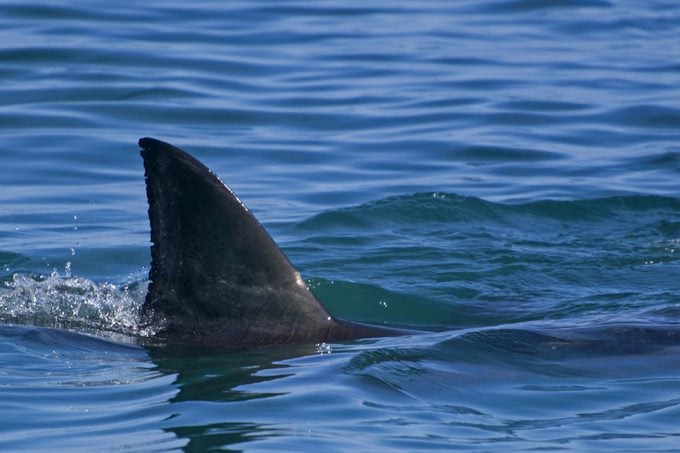
Shark fins possess therapeutic benefits.
Shark fin soup is considered a luxury dish in China and has historically been thought to offer various health advantages. However, contemporary researchers highlight that shark flesh, particularly from their fin cartilage, often contains dangerously high levels of mercury and other harmful substances. Additionally, the practice of catching sharks, primarily for the expensive soup market, leads to the death of as many as One hundred million animals annually , putting numerous distinct species at risk, and potentially jeopardizing the entire marine ecosystem.
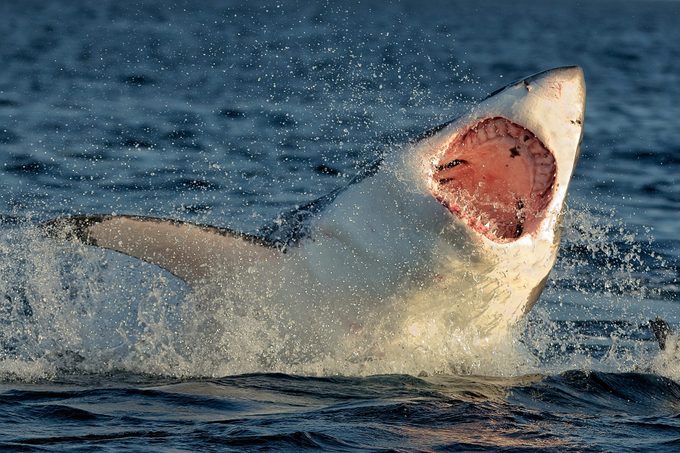
If you get bitten by a shark, your chances of survival aren’t good.
You have more than double the chance to perish due to a lightning bolt More people get injured from things other than shark bites, as reported by the Florida Museum’s International Shark Attack File (ISAF). Moreover, even if someone gets bitten, "most individuals manage to survive," states Dr. Chapman. In 2018 globally, there were 66 unprovoked shark attacks, with just six resulting in death, according to the same database.

Post a Comment for "Top 10 Shark Myths You Need to Stop Believing Now"
Post a Comment