How Long Should You Expect Your Fridge to Last?
Revenue generated from the offerings on this page might be earned, and we also take part in affiliate programs. Learn More ›
Refrigerators stand as the primary device in every kitchen, ensuring that food remains fresh and safe to eat. However, similar to all household appliances, refrigerators too can face issues. best refrigerators They don't endure indefinitely. Being aware of when you should anticipate a replacement can assist in your planning and budgeting processes.
What is the typical life expectancy of a refrigerator?
The expected life span of a refrigerator ranges from 10 to 20 years, varying based on factors such as the specific model, frequency of use, and how well it is maintained. As stated by the Department of Energy The typical lifespan of a refrigerator is around 12 years. Nonetheless, do not depend solely on its age to decide whether it’s time for an upgrade.
Rather than relying on anything else, use the operational status of your refrigerator as an indicator. Over time, its various parts may degrade, which could lead to minor issues like annoying sounds all the way up to major problems such as excess ice accumulation in the freezer compartment. Additionally, your appliance might start losing effectiveness at keeping things cold, resulting in higher energy costs.
In front, find signs that suggest your refrigerator requires maintenance, and indications that you need to replace your refrigerator .
Indicators That Your Fridge Might Be Failing
If your refrigerator shows signs of aging, you may want to think about getting a new one. Below are several typical indications that your fridge might not have much life left:
1. Increased Energy Consumption
2. Frequent Malfunctions
3. Inadequate Cooling
4. Unusual Noises
5. Leaking Fluids
These can signal that maintenance won’t suffice and a replacement is necessary.
- Your refrigerator produces extra warmth. If your fridge seems excessively warm when you touch it, this might suggest that the motor is functioning more strenuously than normal, potentially because of wear over time or problems with internal parts. The excessive warmth could imply that your The refrigerator is having difficulty keeping a cold temperature. And might be approaching the end of its operational life.
- Food spoils prematurely. If your food spoils more quickly than anticipated, it may indicate that your refrigerator is not chilling correctly. The issue might stem from a poorly functioning compressor or defective door seals, either of which can affect the appliance's capacity to keep steady, safe internal temperatures.
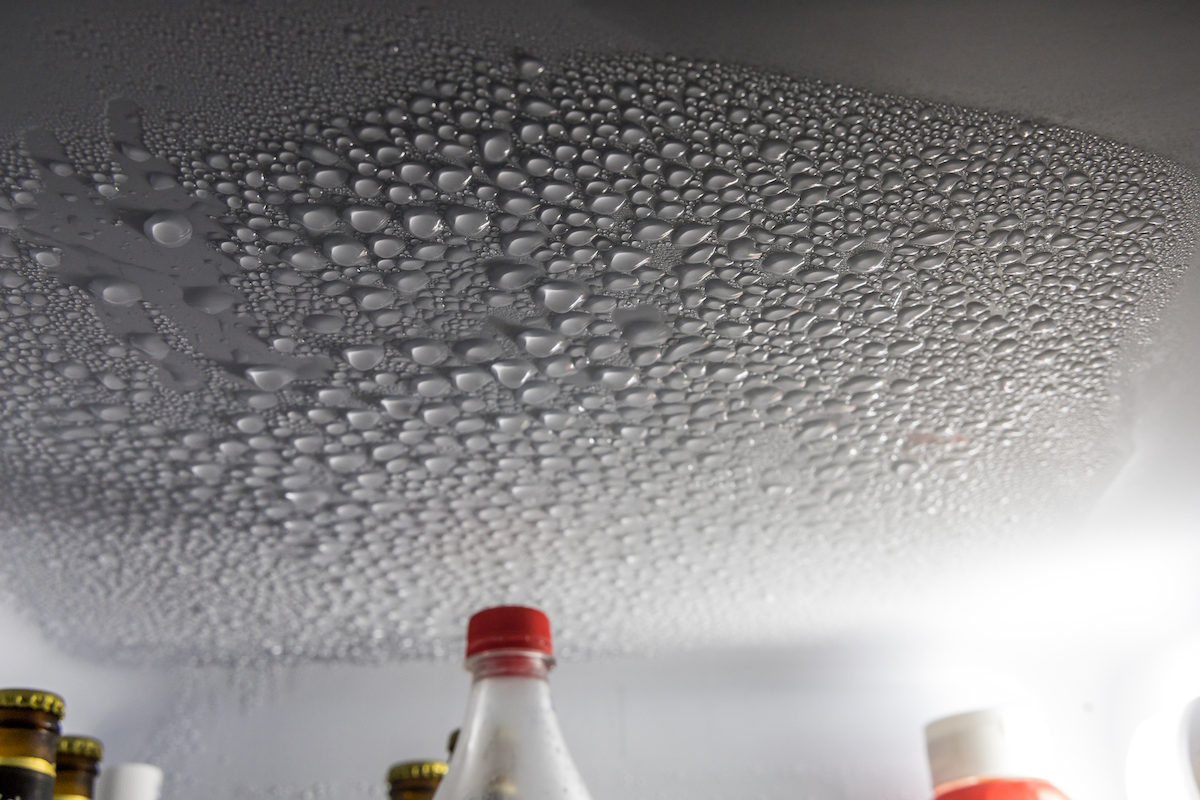
- There’s excess condensation. Moisture buildup within the refrigerator or on its outside usually indicates issues with temperature regulation or defective door seals. Although a small amount of dampness is expected, too much condensation might result in mold growth, mildew development, and spoiled food.
- Your refrigerator is making strange sounds. Refrigerators usually produce a soft humming sound, yet they refrigerator making buzzing or rattling noises This could indicate a problem with the compressor or fan. When there's both noise and cooling problems, it may be necessary to consider replacing them.
- Your freezer has too much ice buildup. Too much ice accumulation in the freezer usually indicates that it’s not effectively managing humidity, which might be because of a malfunctioning defrost mechanism or poor door seals. Continuous frosting problems can impair both food preservation and overall performance.
- Suddenly, your utility expenses have increased. An unexpected rise in your electric bill might suggest that your fridge is typically consuming more energy than normal to operate. Refrigerators that are outdated or starting to fail tend to turn into significant drains on power, requiring extra wattage just to keep interior temps low.
Ways to Prolong the Lifespan of Your Fridge
While it’s possible to repair some appliance models The typical expense for repairs often matches or even exceeds the cost of replacing a refrigerator. However, by diagnosing and fixing issues that can be addressed and by keeping up with routine maintenance, you ought to be capable of prolonging your appliance’s lifespan.
1. Clean the coils.
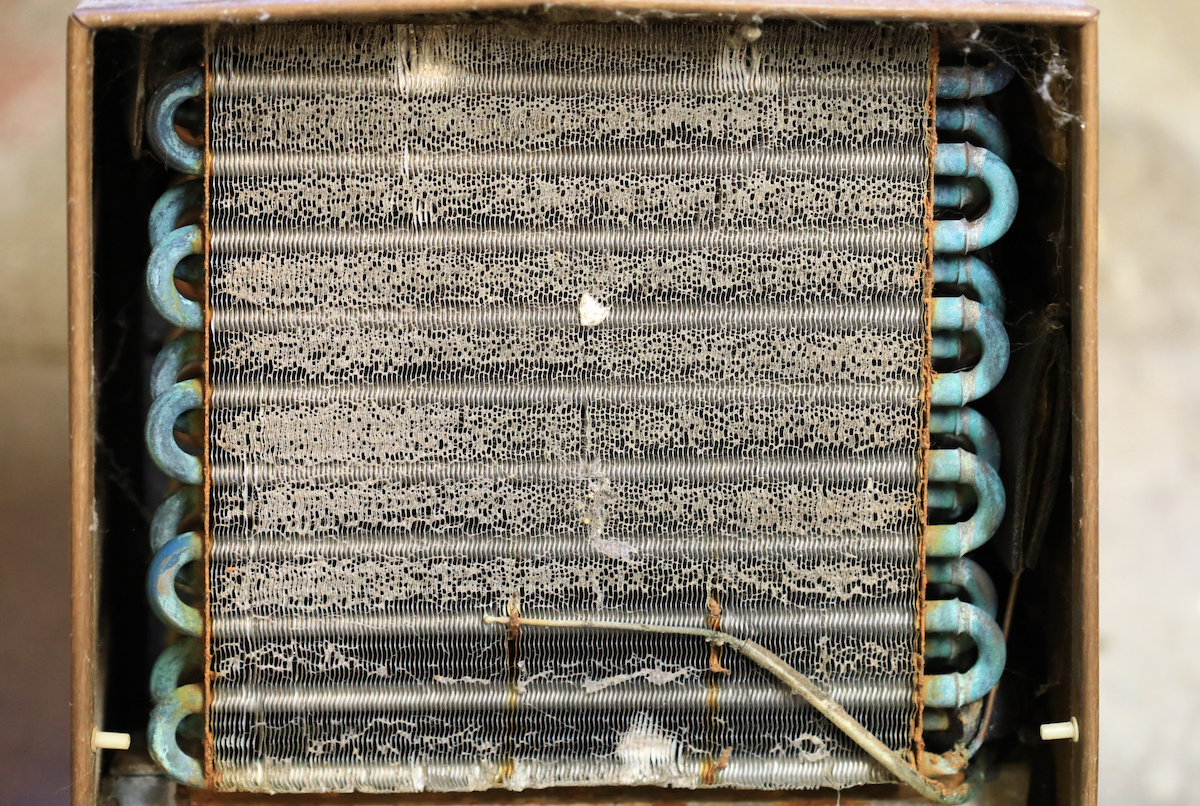
The condenser coils, located outside your refrigerator either at the bottom or behind it, assist in turning the gaseous refrigerant back into liquid after being compressed. This process helps expel warm air from within the fridge into the room. However, when dust and debris accumulate on these coils, they hinder this heat expulsion. As a result, your fridge might frequently turn on and off without maintaining consistent cooling, potentially leading to complete failure over time.
Clean the coils Once or twice a year to extend the life of your old refrigerator, follow these steps: Start by disconnecting the power source. Next, remove the snap-on toe kick panel located at the bottom for access to the condenser coils; alternatively, move the appliance away from the wall if the coils are situated there instead. Use a vacuum cleaner’s dust brush attachment to clean off any accumulated dust on the coils. Finally, use a specialized condenser coil brush—such as the Vanitek condenser coil brush , among and within the coils to remove debris.
2. Check the doors.
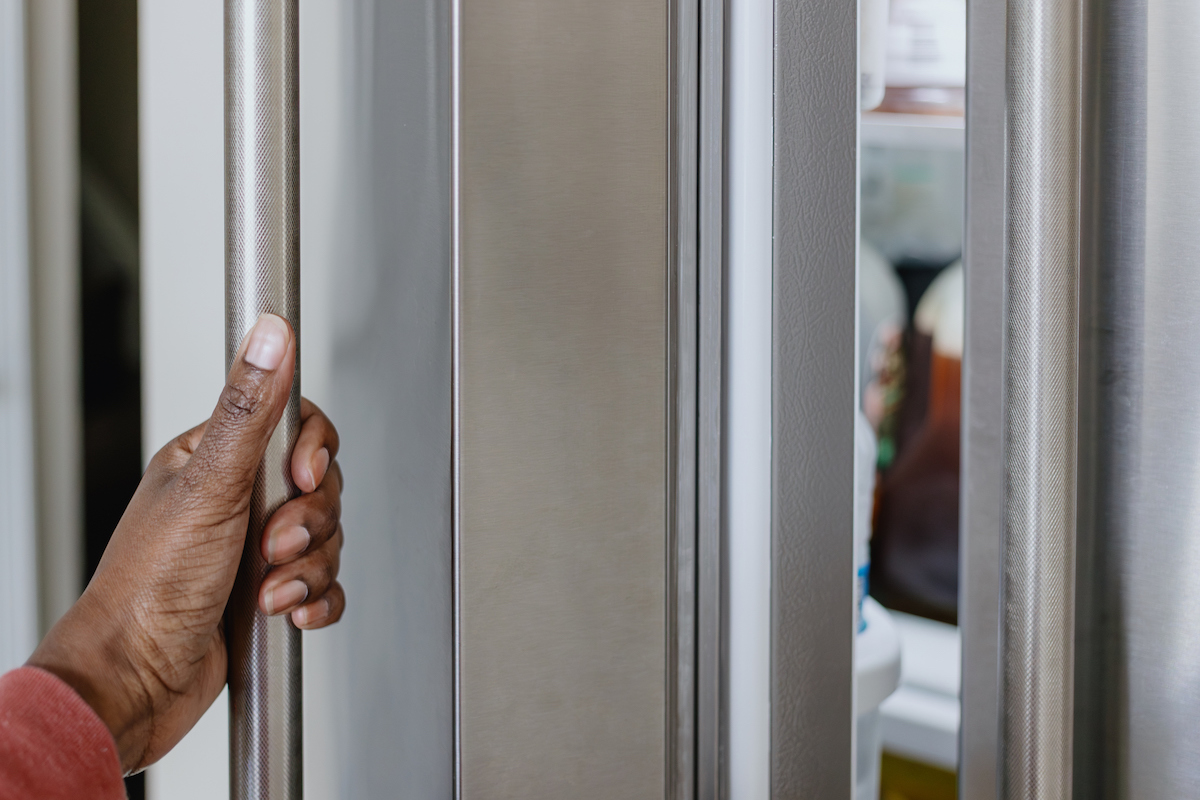
The seal made of rubber along the edges inside the refrigerator doors keeps cool air trapped within and prevents warm air from getting in. With prolonged use, however, these door seals might warp, crack, rip, or detach from the door itself. Should this occur, cool air may escape from the fridge, allowing warm air to infiltrate, which increases humidity levels internally. Consequently, this could lead to the formation of ice build-up both in the refrigeration compartment and the freezer section. Such blockages not only decrease available storage room but also impede proper heat transfer between the appliance and ambient surroundings, thus reducing overall efficiency.
Apply a light layer of petroleum jelly along the outer edges of the door gaskets. This ensures they stay flexible and preserves the seal’s effectiveness.
3. Reorganize the items inside the refrigerator.

The vents situated on the side walls of your refrigerator and on the top of your freezer help with airflow within the appliance. If these vents get blocked by items such as food, they operate less effectively, which can result in excess moisture or frost formation inside the unit. uneven cooling .
To maintain unobstructed airflow, shift any items stored immediately in front of the vents and make sure that twist ties from freezer bags or debris from open foods such as cakes do not block the vent openings.
Additionally, make certain to change your refrigerator’s filter periodically to ensure your device operates efficiently and continues to provide clean, great-tasting water.
Typical Refrigerator Problems to Be Aware Of
Address small refrigerator issues promptly to prevent them from escalating into major problems. Here are simple solutions for typical fridge ailments.
- Is there a puddle of water on the floor?
- Are you noticing any strange noises?
- Has the ice maker ceased functioning?
- Could there be an enigmatic leak inside the fridge?
The solution: Find the drainage plug located on the rear wall inside the primary refrigerator section, shifting any items obstructing it either onto another shelf or outside of the fridge for now. Next, use a turkey baster or a meat injection tool filled with a mixture composed equally of chlorine bleach and lukewarm water to clean out the plugged area; this might necessitate multiple treatments. Upon completion, discard the contaminated fluid collected within the drip tray situated beneath the refrigerator.
Should You Fix or Get a New Refrigerator?
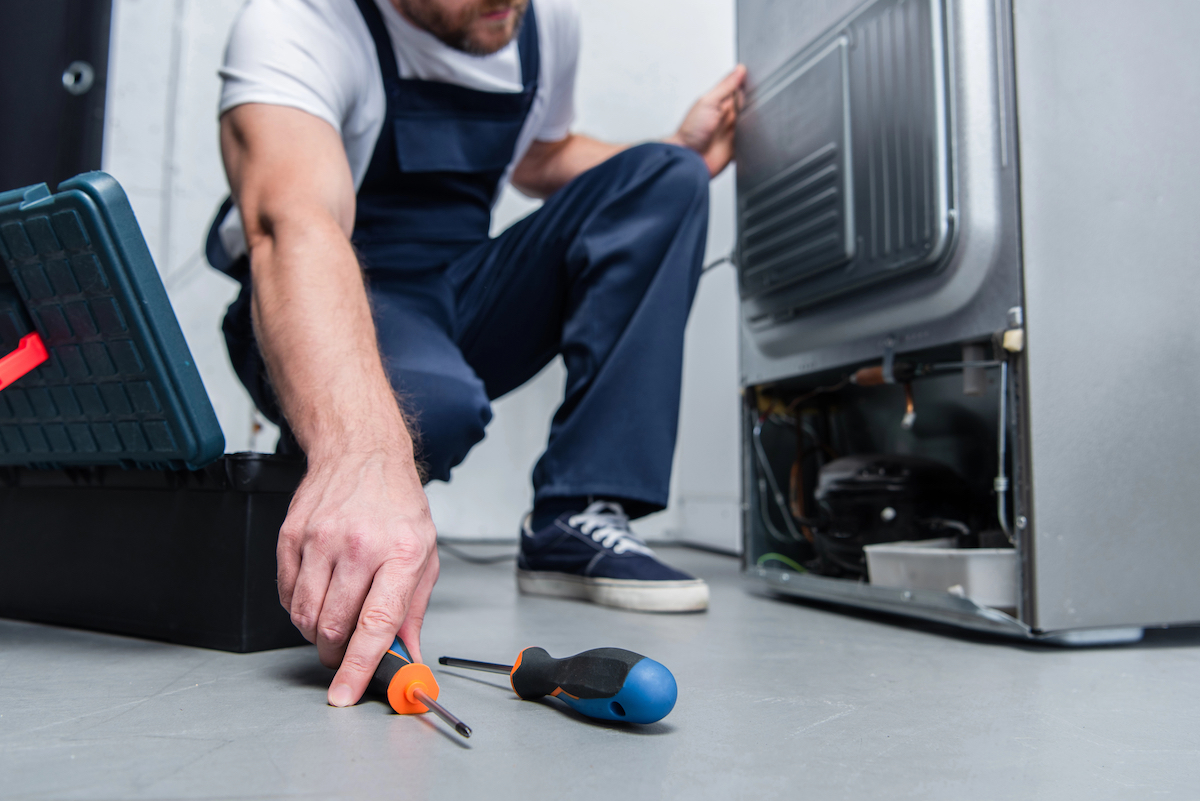
When deciding to fix or get a new fridge , take into account its age, repair expenses, and general efficiency. Typically, if your refrigerator is more than 10 years old, repairs cost If the cost exceeds half the price of a new unit, replacing it might be more sensible. Nonetheless, should your refrigerator be relatively recent and the problem slight—a defective door seal or motor fan, for instance—fixing it could prolong its lifespan and prove more economical.
Refrigerator Warranties
Although there are different types of warranties available for refrigerators, many only provide coverage for the initial twelve months after purchase. This standard warranty typically includes issues related to material defects and may encompass both components and service costs. Given the difficulty in determining if your chosen refrigerator model has manufacturing flaws beforehand, retaining this warranty becomes crucial should problems arise later on. For optimal benefit from the warranty, ensure you evaluate every function of the appliance prior to the expiration of the warranty period.
When deciding whether to upgrade a warranty, consider the price of the warranty compared to the cost of replacing the refrigerator. With sophisticated, advanced appliances like fridges, having an extensive warranty usually pays off due to the numerous components that might break down. As stated by Home Advisor, the typical expense for fixing a standard fridge The price ranges from $200 to $330; however, fixing a luxury model might cost $1,000 or even higher.
Final Thoughts
There are numerous methods to prolong the lifespan of your refrigerator. Ensuring routine maintenance via consistent cleaning, along with promptly addressing any problems detected, can make a difference. Nonetheless, if you've found yourself questioning, "How long do refrigerators typically last?" it might be wise to begin considering a replacement.
FAQs
The optimal moment to purchase a refrigerator is prior to the failure of your present unit. Examine the indicators suggesting that a fridge might be nearing the end of its life (as mentioned above) and schedule an order accordingly. Given today’s supply chain challenges, it could take several months for your desired model to become available. Should upgrading merely be your objective, keep in mind that there tend to be appliance promotions around major U.S. holidays.
Historically, refrigerators with freezers on top or bottom usually have the longest lifespan, and models from well-known refrigerator brands Similar to brands like Whirlpool and LG, which often lead reliability rankings. Fewer components that have the potential to break down means this type of model might endure longer and be cheaper when repairs are needed.
When getting rid of your outdated refrigerator , refrain from placing it at the curb since it includes recyclable parts and potentially hazardous materials. Rather, consult with your appliance retailer, local recycling initiative, or an local disposal agency If they can eliminate or approve it. Several municipalities offer bulky waste programs or self-service facilities for the proper recycling of refrigerators.

Post a Comment for "How Long Should You Expect Your Fridge to Last?"
Post a Comment